




When it comes to portable, privacy-focused networking, GL.iNet has built a strong reputation among travelers, remote workers, and tech enthusiasts. If you’re already a long-term GL.iNet user and thinking about upgrading, you’re on the right track by researching real-world experiences first.
In this guide, we’ll break down the most talked-about models — especially GL.iNet GL-MT3600BE (Beryl 7) and GL.iNet GL-BE3600 (Slate 7) — and also briefly compare other powerful options like GL.iNet GL-E5800 (Mudi 7) and GL.iNet GL-MT5000 (Brume 3).
Let’s help you choose the best router for your specific needs.
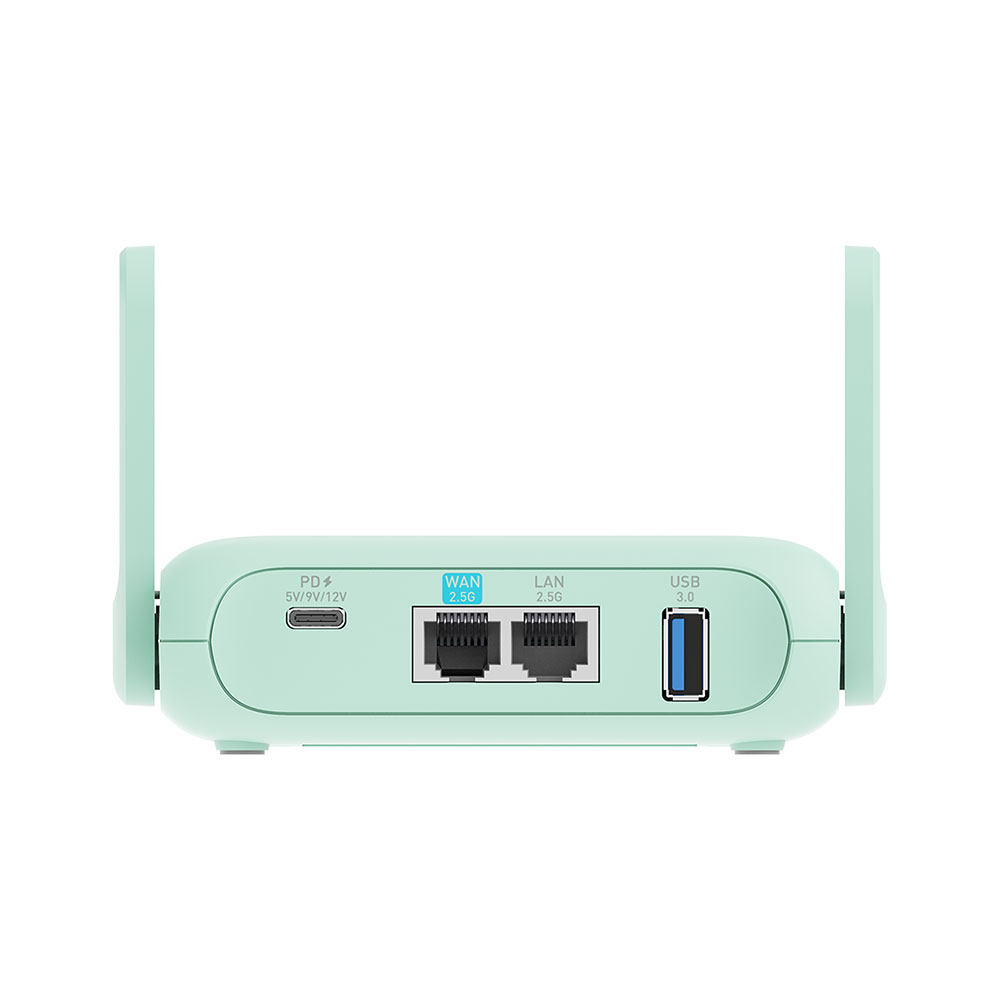
🔹 GL.iNet GL-MT3600BE (Beryl 7)


4
Why It’s Popular
The Beryl 7 (GL-MT3600BE) is one of the newest Wi-Fi 7 travel routers in GL.iNet’s lineup. It supports BE3600 dual-band Wi-Fi 7, offering significantly improved speed, lower latency, and better efficiency compared to Wi-Fi 6 models.
Key Highlights:
- Dual-band Wi-Fi 7 (2.4GHz + 5GHz)
- Strong VPN support (OpenVPN & WireGuard)
- Compact and travel-friendly
- USB port for tethering
- Easy-to-use admin panel
Best For:
- Digital nomads
- Remote workers
- Hotel / Airbnb use
- VPN-heavy users
If you prioritize future-proof Wi-Fi technology, strong performance, and portability, Beryl 7 is an excellent choice. It balances price and performance very well.
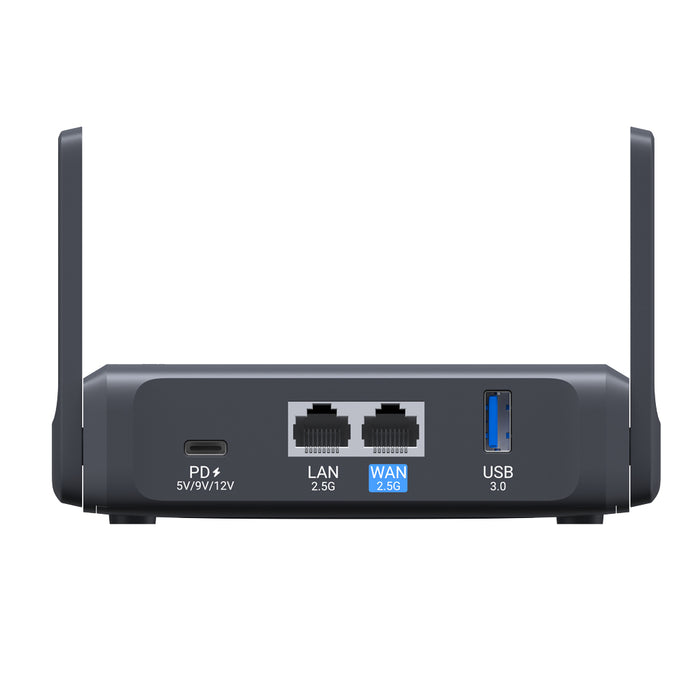
🔹 GL.iNet GL-BE3600 (Slate 7)


4
What Makes It Different?
The Slate 7 (GL-BE3600) is often compared directly with Beryl 7 because both support Wi-Fi 7. However, Slate models are traditionally known for slightly stronger hardware and more stable long-session performance.
Key Highlights:
- Wi-Fi 7 performance (BE3600)
- Improved thermal management
- Stronger wired connectivity options
- Advanced OpenWrt customization
- Ideal for heavier network loads
Best For:
- Tech-savvy users
- Small office setups
- Advanced VPN + firewall configurations
- Multiple connected devices
If you run multiple devices simultaneously or want deeper control via OpenWrt, Slate 7 might give you a slight edge over Beryl 7.
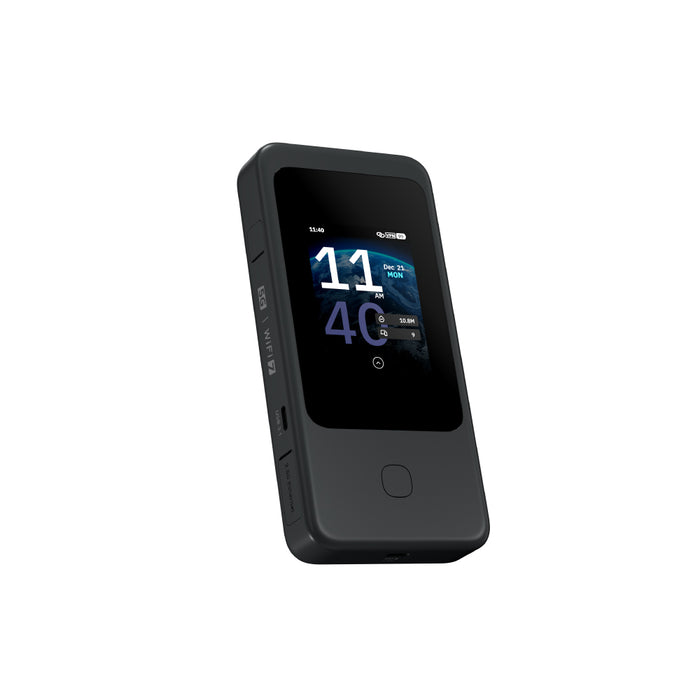
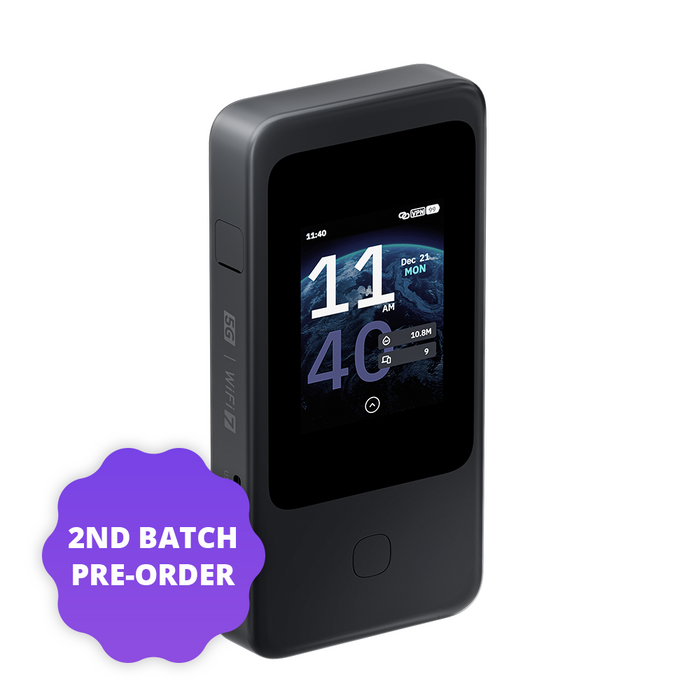
🔹 GL.iNet GL-E5800 (Mudi 7) – For 5G Users
4
If you need cellular connectivity, the Mudi 7 is a completely different category.
Why Choose Mudi 7?
- Built-in 5G NR
- Tri-band Wi-Fi 7
- Battery-powered portable router
- Perfect for outdoor use
- No need for public Wi-Fi
This is ideal for:
- Field workers
- Frequent international travelers
- Areas with unstable broadband
- Backup internet solutions
It’s more expensive but gives full independence from fixed internet connections.
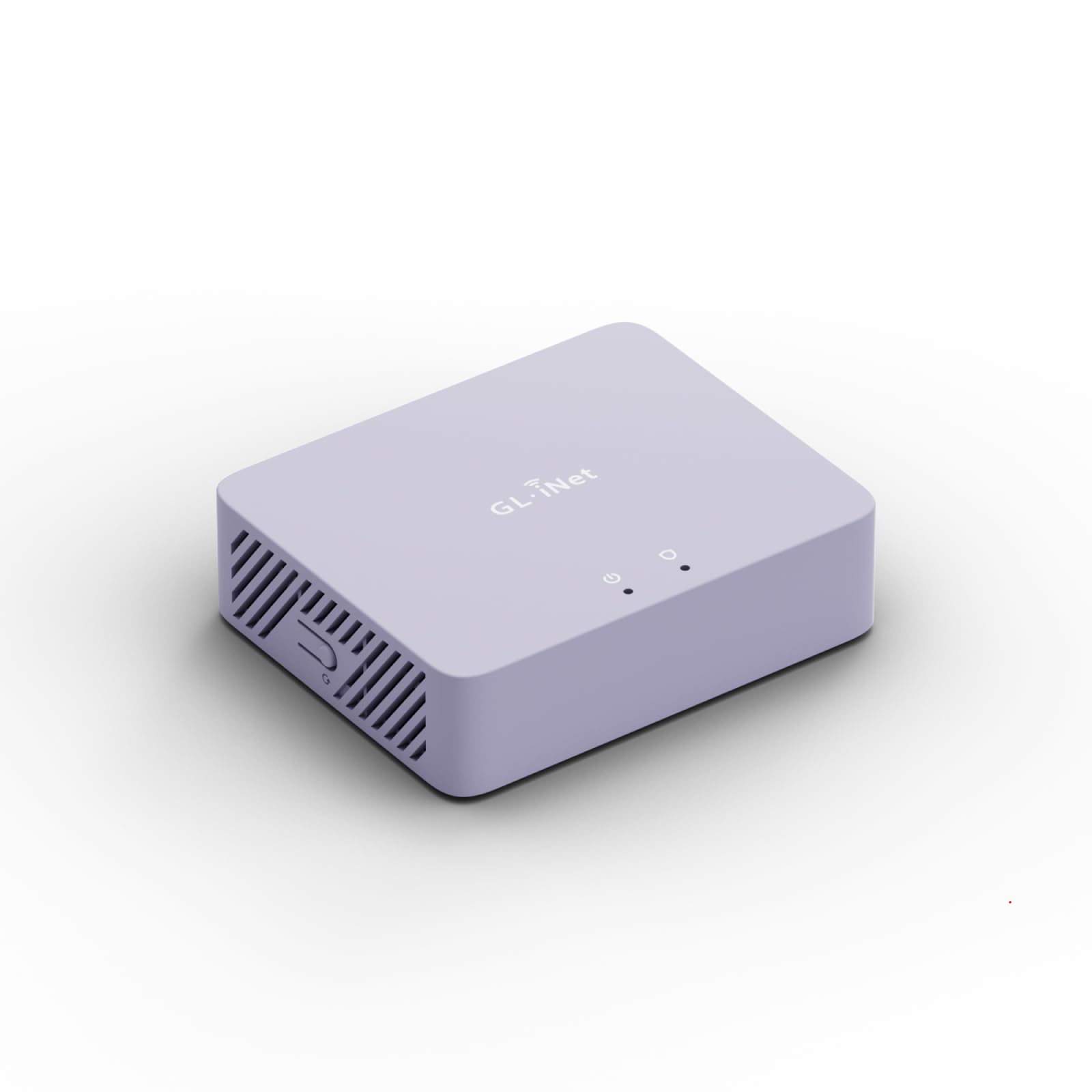
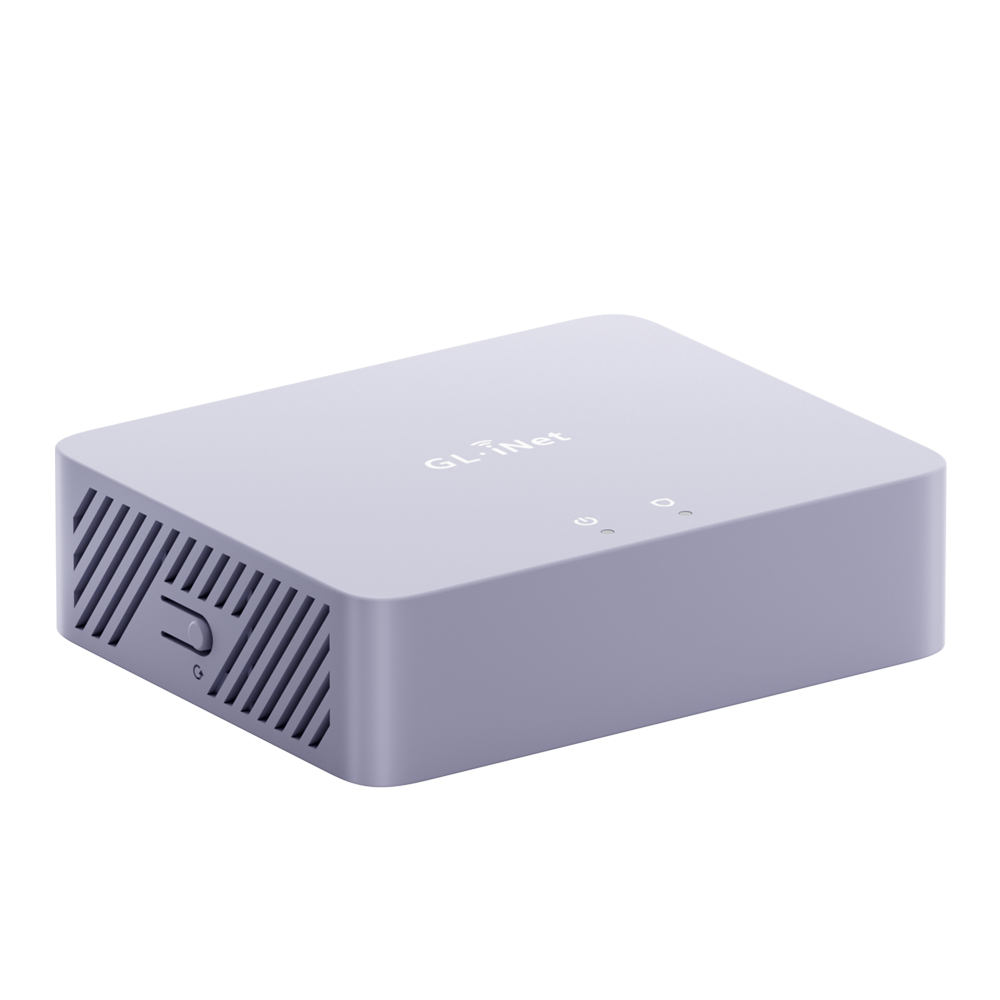
🔹 GL.iNet GL-MT5000 (Brume 3) – VPN Powerhouse

4
Brume 3 is not a travel router. It’s a VPN security gateway designed for home or office use.
Best For:
- Whole-home VPN setups
- Privacy-focused users
- Business security layers
- Always-on VPN connections
If portability isn’t important and your goal is maximum VPN throughput, Brume 3 is the better investment.
Beryl 7 vs Slate 7 – Which One Should You Choose?
Here’s a simple breakdown:
| Feature | Beryl 7 | Slate 7 |
|---|---|---|
| Portability | Excellent | Very Good |
| Performance | High | Slightly Higher |
| Advanced Control | Good | Excellent |
| Ideal For | Travelers | Power Users |
| Price Range | Mid | Slightly Higher |
If you:
- Travel frequently → Beryl 7
- Run many devices at once → Slate 7
- Want 5G built-in → Mudi 7
- Need home VPN gateway → Brume 3
Final Recommendation
Since you’ve already researched and seen positive reviews for both Beryl 7 and Slate 7, you’re honestly choosing between two excellent options.
If your main goal is:
- Portability
- Hotel Wi-Fi security
- Easy VPN setup
- Everyday travel use
👉 Go with Beryl 7 (GL-MT3600BE).
If you:
- Want slightly stronger hardware
- Use multiple wired devices
- Love advanced configuration
- Run heavier workloads
👉 Slate 7 (GL-BE3600) is worth the upgrade.
Both models continue GL.iNet’s tradition of reliability, simple UI, and powerful OpenWrt customization.
