

4
Multiple Sclerosis (MS) is a chronic neurological condition that affects the brain and spinal cord. It is significantly more common in women than men, and symptoms can vary widely from person to person. Because early signs are often subtle or confusing, many women spend months — even years — trying to understand what is happening to their bodies.
If you’re noticing unusual neurological symptoms and wondering whether they could be related to MS, you are not alone. Many women begin their journey exactly this way: searching online, reading articles, and asking real people for honest experiences.
This article explains the most common MS symptoms in women, how they typically appear, what to watch for, and what supportive options people sometimes explore while waiting for medical evaluation.
Why MS Symptoms in Women Can Be Confusing
MS is known as “the disease with a thousand faces” because symptoms differ so much. In women, hormonal factors, immune differences, and lifestyle stress can influence how the disease presents.
According to organizations like National Multiple Sclerosis Society, early symptoms often come and go, making them easy to dismiss as fatigue, anxiety, vitamin deficiency, or stress.
Many women report that they initially thought their symptoms were:
- Burnout or overwork
- Anxiety or panic attacks
- Hormonal changes
- Poor sleep
- Low iron or B12
- Nerve compression
Only later do they discover a neurological cause.
Most Common Early MS Symptoms in Women


4
1. Unusual Fatigue
MS fatigue is not normal tiredness. It can feel overwhelming and sudden — like your body’s battery has been drained instantly.
Women often describe it as:
- Heavy limbs
- Brain fog
- Need to lie down suddenly
- Exhaustion after minimal activity
This fatigue may worsen in heat or after stress.
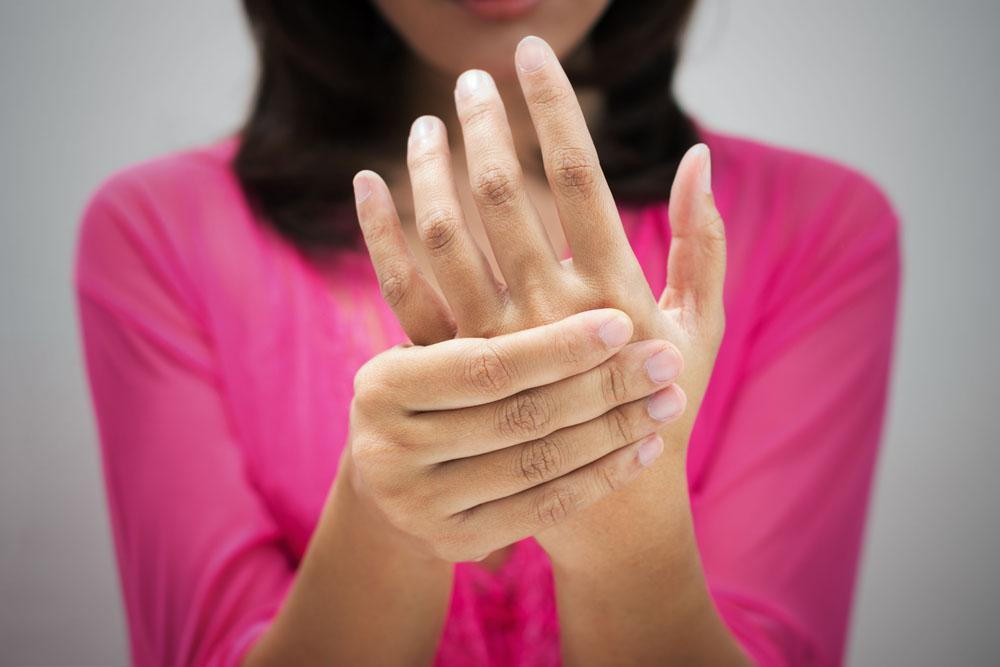
2. Numbness or Tingling
One of the earliest warning signs is sensory disturbance.
Common patterns include:
- Pins and needles in hands or feet
- Burning or crawling sensations
- Loss of feeling in one side of the body
- Tight “band” sensation around torso (MS hug)
These symptoms may appear suddenly and last days or weeks.
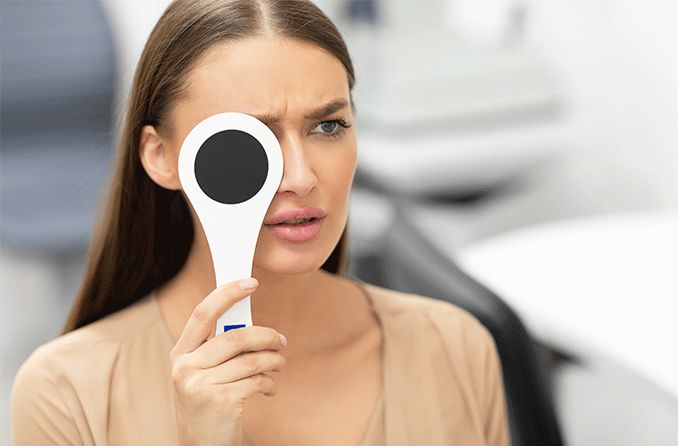
3. Vision Problems
MS frequently affects the optic nerve, leading to optic neuritis.
Women may notice:
- Blurry vision in one eye
- Pain when moving the eye
- Washed-out colors
- Partial vision loss
Sometimes vision returns gradually, which makes it easy to ignore.
4. Weakness or Coordination Issues
MS disrupts nerve signals, causing muscle weakness or balance problems.
Signs include:
- Dropping objects
- Clumsiness
- Trouble walking straight
- Leg heaviness
- Frequent tripping
These symptoms may come and go in episodes.
5. Skin Sensitivity or Nerve Pain
Some women report extreme skin sensitivity even without visible irritation.
Descriptions include:
- Burning skin
- Electric shock sensations
- Pain from light touch
- Hypersensitivity to clothing
This neuropathic discomfort leads many people to explore topical nerve-support products while seeking diagnosis.
Emotional and Cognitive Symptoms
MS does not only affect the body — it can also impact mood and thinking.
Possible effects:
- Anxiety or depression
- Memory issues
- Difficulty concentrating
- Slow thinking
- Emotional swings
Because these symptoms overlap with common mental health issues, they are often misattributed.
The Mayo Clinic notes that cognitive changes can occur even in early MS.
When to Seek Medical Evaluation
If you experience persistent neurological symptoms lasting more than a few days — especially vision problems, numbness, or weakness — it is important to consult a neurologist.
Diagnosis usually involves:
- Neurological exam
- MRI scans
- Blood tests to rule out other conditions
- Sometimes spinal fluid analysis
Early diagnosis can significantly improve long-term outcomes.
Supportive Options While Waiting for Diagnosis
Many people search for ways to manage discomfort during the diagnostic process. It’s common to explore lifestyle changes and supportive products.
Helpful non-medical strategies
- Prioritize sleep
- Manage stress
- Gentle exercise (walking, stretching)
- Cooling techniques for heat sensitivity
- Balanced nutrition
- Vitamin D optimization (doctor-guided)
About Nerve Support Creams and Similar Products
Some individuals use topical creams marketed for neuropathy or nerve discomfort. These products typically aim to provide temporary relief from burning or tingling sensations.
Common ingredients may include:
- Menthol
- Capsaicin
- Lidocaine
- Herbal extracts
- Anti-inflammatory compounds
While some users report soothing effects, it’s important to understand:
✔ They do not treat MS itself
✔ They only address surface discomfort
✔ Effectiveness varies greatly
✔ Medical guidance is always recommended
If symptoms are severe or spreading, relying only on over-the-counter products can delay proper care.
“Fight Like a Girl” and Support Awareness
Support movements and awareness campaigns play an important emotional role. Living with a possible neurological condition can feel isolating, especially for women juggling work, family, and responsibilities.
Community support can help with:
- Emotional strength
- Information sharing
- Reducing fear
- Encouraging early medical action
- Connecting with others who understand
Many women report that peer communities were the first place they felt truly heard.
What Makes One Option “Worth It”?
When people ask which approach is “worth it,” the most valuable actions are usually not products — but steps toward clarity and proper care.
The most worthwhile priorities are:
⭐ Getting an accurate diagnosis
⭐ Working with a neurologist
⭐ Tracking symptoms carefully
⭐ Maintaining physical and mental health
⭐ Building a support system
Products can play a supportive role, but they are not substitutes for medical evaluation.
Final Thoughts
MS symptoms in women can be subtle, frightening, and confusing — especially in the early stages. Fatigue, numbness, vision changes, and nerve discomfort are among the most common warning signs, but only medical testing can confirm a diagnosis.
If you’re experiencing symptoms that don’t feel normal for your body, trust your instincts and seek professional guidance. Many women live full, active lives with MS thanks to early detection and modern treatments.
Most importantly, you are not alone. Countless others have walked this path — starting with uncertainty, fear, and questions — and found answers, support, and stability along the way.
Leave a Reply